News Detail
Indonesian Natural Graphite Holds Potential as Energy Storage Material for Electric Vehicles
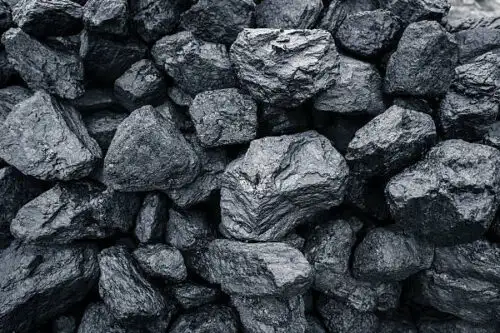
Lampung – BRIN Public Relations. Indonesia’s abundant natural graphite reserves hold strong potential to support the advancement of energy storage technologies, including supercapacitors and next-generation electric vehicle batteries. Through advanced research on graphite-based electrode materials, the National Research and Innovation Agency (BRIN) is developing innovations to enhance supercapacitor electrode performance.
Lukmanul Hakim Samada, a Postdoctoral Researcher at Research Center for Mineral Technology BRIN, explained that his research focuses on transforming graphite into reduced graphene oxide (RGO) and compositing it with polyaniline (PANI) assisted by the surfactant cetyltrimethylammonium bromide (CTAB). This innovation was developed to overcome the conductivity limitations inherent in pure graphite.
The synthesis begins with the conversion of graphite into graphene oxide (GO) via Hummers' oxidation method, introducing oxygen-containing functional groups to facilitate better dispersion of the carbon sheets before being chemically reduced to RGO.
“Integrating a 0.02 M concentration of CTAB surfactant in this synthesis successfully transformed the agglomerated particle morphology into a well-dispersed PANI nanofiber network characterized by high mesoporosity,” he explained during the DISEMINASI #12 webinar, titled “Utilization of Natural Graphite Minerals as Precursors for High-Performance Supercapacitor Electrodes,” on Wednesday (10/14).
This innovation yields a substantial improvement in electrode electrochemical performance. The specific capacitance reached 918 F/g at a current density of 1 A/g, marking an approximate 2.9-fold increase compared to the CTAB-free composite. Furthermore, the synthesized material exhibited a low equivalent series resistance (Rs) of 0.60 Ω and maintained a 95 percent capacitance retention after 1,000 cycles.
In asymmetric supercapacitor (ASC) device testing, the electrode demonstrated an operating voltage window of 1.7 V, delivering an energy density of 18.9 Wh/kg and a power density of 850 W/kg.
Lukmanul explained that graphite is an allotrope of crystalline carbon characterized by high thermal stability and superior electrical conductivity, rendering it an attractive precursor for advanced applications. Natural graphite deposits exhibit distinct geologic signatures, varying significantly in flake size distribution, carbon purity grades, and associated gangue mineral impurities.
Indonesia holds vast domestic natural graphite resources totaling 54.67 million tons. These strategic deposits are predominantly distributed across two major regions: Kalimantan, accounting for 31.24 million tons, and Sulawesi, hosting 23.43 million tons, notably within the Kolaka regency.
To convert raw natural graphite ore into high-value concentrates, a structured extraction flowsheet is required. The stages encompass exploration to identify economic mineralization, ore extraction and mining, comminution (crushing and grinding) to liberate the flakes from gangue minerals without compromising their grain size, froth flotation leveraging graphite's natural hydrophobic properties, followed by cleaning, dewatering, drying, and size classification.
“The primary challenge in natural graphite mineral processing lies in achieving optimal separation from gangue minerals while preserving the integrity of the flake morphology, which dictates the commercial value of the end product,” he explained.
He expressed hope that Indonesia’s vast natural graphite reserves will not merely be exported as unprocessed raw materials, but will instead be refined domestically into high-value downstream products. “The development of this RGO/PANI-CTAB electrode platform is envisioned to lay a solid foundation for bolstering national sovereignty in energy storage technology, particularly for manufacturing supercapacitors and next-generation electric vehicle batteries,” he concluded. (ra/ed:aj, tnt/translator: ms)