News Detail
Jakarta’s Rainwater Contains Microplastics, BRIN Warns of Pollution Falling from the Sky
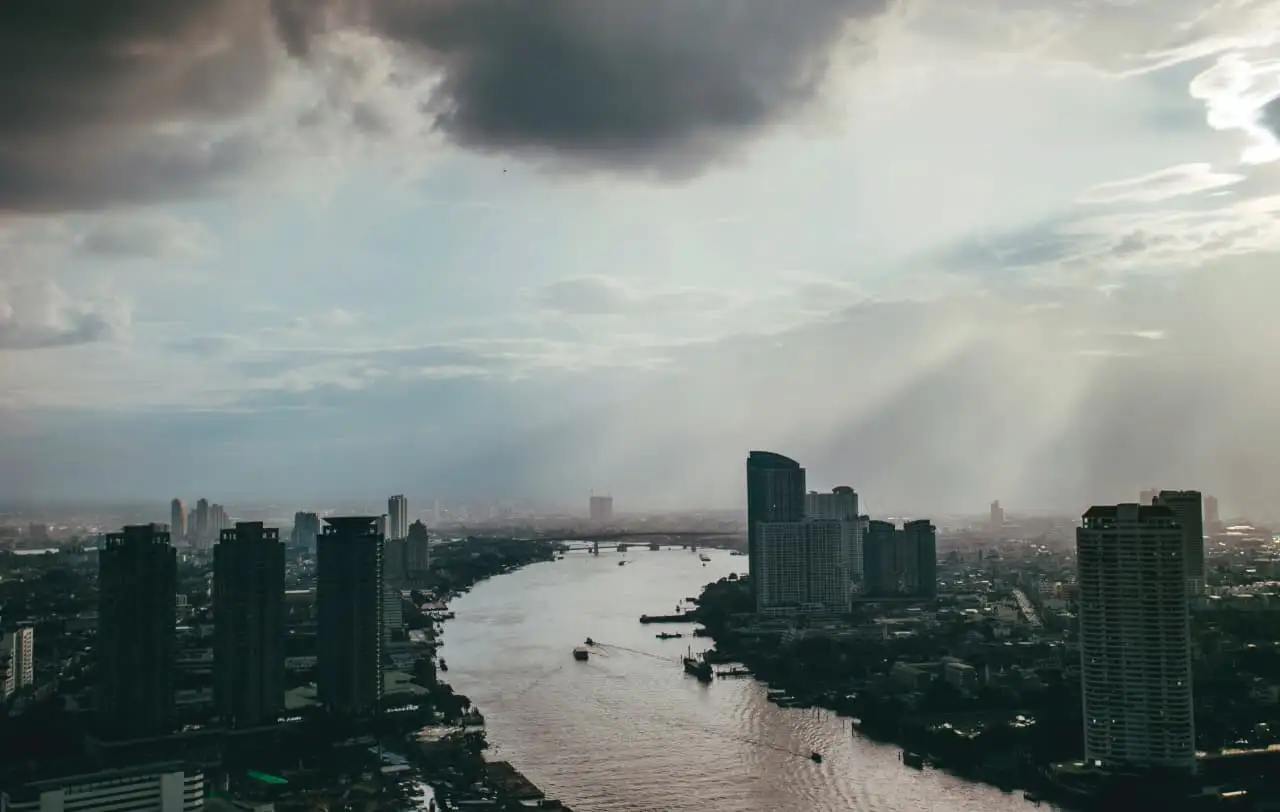
Jakarta – BRIN Public Relations. Rain, which has long been a symbol of freshness and purity, is no longer completely clean. Research conducted by the National Research and Innovation Agency (BRIN) found that rainwater in Jakarta contains dangerous microplastic particles that come from human activities in urban areas. This discovery reminds us that plastic pollution no longer only contaminates the soil and sea, but also the air.
Researcher Muhammad Reza Cordova explained that research conducted since 2022 found the presence of microplastics in every rainwater sample taken in the capital. These micro-sized plastic particles are formed from the degradation of plastic waste that becomes airborne due to various human activities.
“These microplastics come from synthetic fibers in clothing, dust from vehicles and tires, burning of plastic waste, and degradation of plastics in open environments,” said Reza when met in Jakarta on Thursday (17/10).
Reza explained that the microplastics found were mostly in the form of synthetic fibers and small plastic fragments, dominated by polymers such as polyester, nylon, polyethylene, polypropylene, and polybutadiene from vehicle tires. On average, about 15 microplastic particles per square meter per day were found in rain samples taken along the coastal areas of Jakarta.
According to Reza, this phenomenon occurs because the plastic cycle has now reached the atmosphere. Microplastics can be lifted into the air through road dust, combustion emissions, and industrial activities, carried by the wind, and eventually fall back to earth with rain—a process known as atmospheric microplastic deposition.
“The plastic cycle does not stop in the ocean. It rises into the sky, travels with the wind, and falls back to the earth with rain,” he said.
This finding raises serious concern because microplastic particles are extremely small—often finer than regular dust—so they can easily be inhaled or enter the body through water and food. Plastics also contain toxic additives such as phthalates, bisphenol A (BPA), and heavy metals that can leach into the environment when plastics degrade into micro or nano sizes. In the air, these particles can also bind with other pollutants such as aromatic hydrocarbons from vehicle exhaust.
“The danger does not lie in the rainwater itself, but in the microplastic particles it carries, which contain chemical additives or absorb other pollutants,” Reza emphasized.
Although further research is needed, global studies show that exposure to microplastics can lead to serious health problems, including oxidative stress, hormonal disruption, and tissue damage. From an environmental perspective, rainwater contaminated with microplastics can pollute surface and marine waters and eventually enter the food chain.
Reza revealed that modern urban lifestyle is one of the main causes of the increasing concentration of microplastics in the atmosphere. With a population of more than 10 million people and around 20 million vehicles, Jakarta produces massive amounts of plastic waste every day.
“Single-use plastic waste is still widespread, and its management is far from ideal. Some are openly burned or carried by rainwater into rivers,” he said.
To address this problem, Reza encourages concrete cross-sector actions. First, strengthening research and regular monitoring of air and rainwater quality in major cities. Second, improving plastic waste management at the source, including reducing single-use plastics and increasing recycling facilities. Third, encouraging the textile industry to implement filtration systems in washing machines to prevent the release of synthetic fibers.
In addition, public education plays an important role. Reza invites the community to reduce plastic use, separate waste properly, and avoid burning trash.
“Public awareness can greatly reduce microplastic pollution,” he said.
According to him, the fact that rain now contains plastic particles is a reflection of human behavior towards the earth.
“The sky of Jakarta reflects the behavior of the people below it. The plastic we throw away carelessly, the smoke we let rise, and the trash we burn out of convenience—all return to us in a smaller, quieter, but much more dangerous form,” Reza concluded. (sj, mrc/ed: pur)